
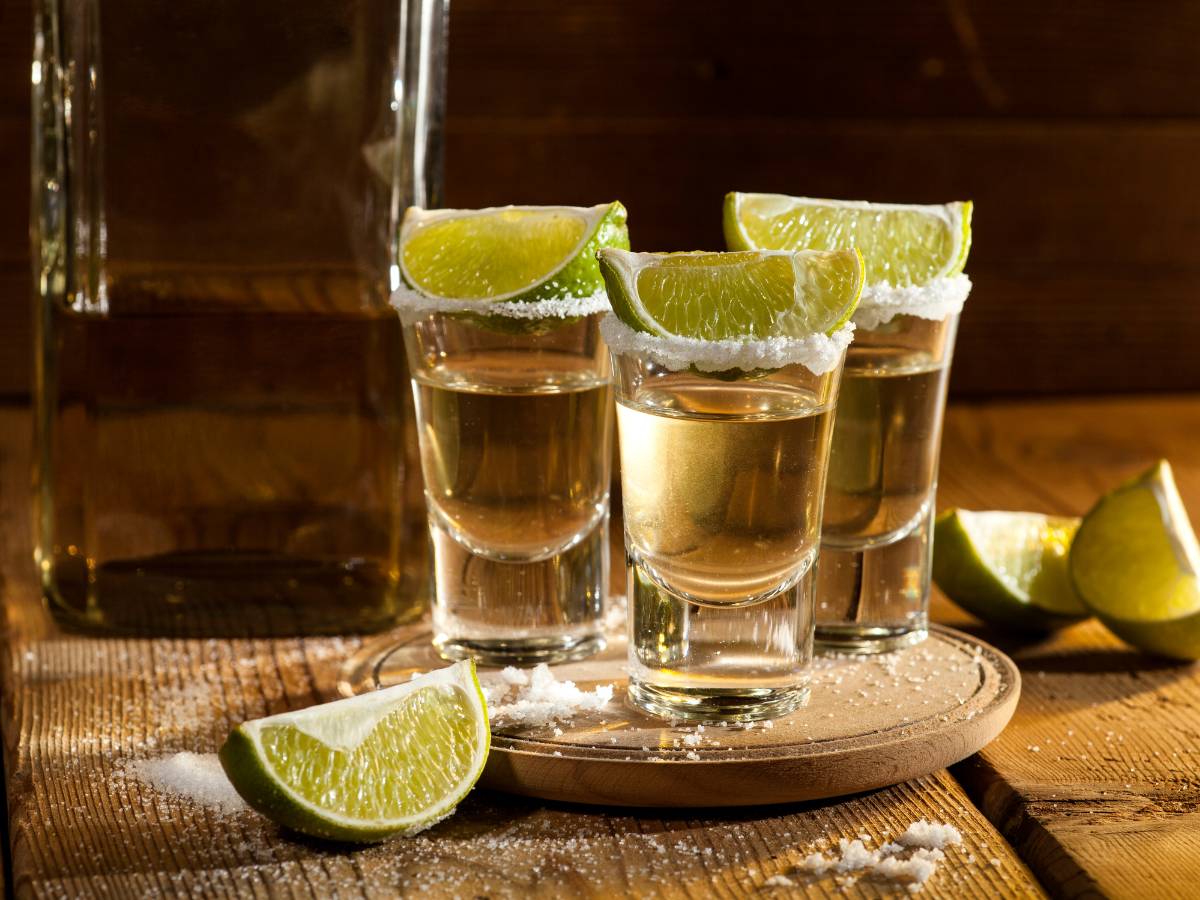
Tequila is no longer just for shots or the occasional margarita. With the rise of craft cocktails and premium spirits, tequila has evolved into a versatile and sophisticated drink, offering a variety of types that cater to a wide range of tastes and preferences. Whether you're a tequila connoisseur or just starting to explore, understanding the different types of tequila can help you enjoy it to the fullest and elevate your drinking experience.
Tequila is produced primarily in Jalisco, Mexico, and categorized into six main types, each distinguished by its aging process. The aging process plays a significant role in shaping the tequila’s flavor profile. Here’s an overview of the main types:
- Blanco (Silver): Known for its fresh, crisp flavor with bold agave-forward notes, Blanco tequila undergoes minimal aging, allowing it to retain the purest expression of agave.
- Joven (Gold): A blend of Blanco tequila and small amounts of aged tequila, Joven offers a smoother, richer taste, with a balance of sweetness and oakiness.
- Reposado: Aged between 2 to 12 months in oak barrels, Reposado acquires subtle oak flavors, resulting in a smoother, more complex profile than Blanco.
- Añejo: Aged for 1 to 3 years, Añejo tequilas develop a rich, full-bodied profile with deep flavors of vanilla, caramel, and oak, making it a sophisticated choice for sipping.
- Extra Añejo: With over 3 years of aging, Extra Añejo tequila delivers luxurious, deep flavors with complex notes of spice, oak, and caramel, making it the pinnacle of luxury tequilas.
- Cristalino: Made from aged Añejo or Extra Añejo, Cristalino tequila is filtered to remove color while maintaining a smooth, refined profile with the complexity of aged tequila.
Regional Variations in Tequila: The Influence of Jalisco’s Unique Terrains
Tequila production is deeply tied to its region of origin, and the soil, climate, and altitude play an essential role in shaping the flavors of the final product. In Jalisco, Mexico’s tequila capital, there are two main regions where agave is cultivated: the highlands and the lowlands. These regions offer distinct terroirs, which give their tequilas unique characteristics.
Highland Tequilas (Los Altos)
Located at higher altitudes (over 5,000 feet), highland tequilas are known for their fruit-forward, floral, and lightly herbal qualities. The cooler temperatures slow the agave's growth, leading to plants that are richer in sugars and offer a sweeter flavor profile. The red volcanic soil is rich in minerals, contributing to complex and layered flavors. Highland tequilas are perfect for those who enjoy cleaner, sweeter, and more elegant notes, such as citrus, pineapple, and apple.
Famous Regions: Towns like Tequila, Amatitán, and Arandas in the Los Altos region are known for their bright and refined tequilas. Brands like Don Julio and Patrón are examples of those that come from the highlands.
Lowland Tequilas (Los Valles)
The lowlands, also known as Los Valles, are located at a lower altitude and experience a warmer, drier climate, which leads to faster agave growth. The soil here is mineral-rich, often clay-based, and contributes to earthier, spicier, and more robust tequilas. These tequilas often carry notes of black pepper, smoke, and even rosemary, offering a fuller body and more complex flavor. Lowland tequilas are great for those who appreciate a bold, spicy, and earthy profile.
Famous Regions: The Tequila Valley and Atotonilco El Alto produce tequilas that are known for their earthy, spicy characteristics. Brands like Clase Azul and Espolon showcase the robust flavors of lowland tequilas.
The Impact of Region on Tequila Flavor
The highland and lowland regions contribute significantly to the overall flavor experience of tequila. Tequilas from the highlands tend to be fruitier and floral, perfect for those who like light, sweet spirits. On the other hand, lowland tequilas are earthier, spicier, and more complex, appealing to those who enjoy a bold, full-bodied spirit.
Understanding these regional variations allows you to appreciate the diverse flavors of tequila and choose the one that best suits your palate. Whether you prefer the freshness of highland tequilas or the robust complexity of lowland ones, exploring these regional differences opens up endless opportunities for discovery.
Tequila Types and Pairings
1. Blanco (Silver)
Aging: Unaged or aged for up to 2 months.
Characteristics: Known for its bold, vibrant profile, Blanco tequila is the purest expression of agave. With no aging or minimal aging, this tequila retains a fresh, lively flavor that showcases the natural sweetness of the agave plant.
Taste Profile: Expect a bold, agave-forward flavor with fresh citrus, pepper, and light herbal notes. It’s a clean, crisp tequila perfect for those who appreciate the raw, unadulterated taste of agave.
Food Pairings: Blanco tequila pairs excellently with fresh, flavorful dishes like tacos, ceviche, grilled shrimp, or seafood. Its bright, clean flavors enhance the freshness of these foods.
Cocktail Pairings: Thanks to its crisp nature, Blanco is a perfect match for classic cocktails like Margaritas, Palomas, or a Tequila Sour. Its boldness ensures that the tequila flavor stands out, even in mixed drinks.
Popular Brands: Patrón Silver, Casamigos Blanco, Don Julio Blanco.
Blanco is the go-to choice for those who want the freshest, most authentic taste of tequila. Its clean, citrusy notes make it versatile and ideal for both mixing and sipping.
2. Joven (Gold)
Aging: A blend of unaged Blanco tequila and small amounts of aged tequila.
Characteristics: Joven tequila offers a smoother, richer experience compared to Blanco, thanks to the addition of aged tequila. This provides a touch of sweetness and oakiness that balances out the fresh agave flavor.
Taste Profile: Joven tequilas have a mellow profile with subtle hints of vanilla, caramel, and oak, but still retain some of the bright agave freshness found in Blanco. It’s a smooth, easy-to-drink spirit with a gentle complexity.
Food Pairings: Joven’s smooth, balanced flavor pairs wonderfully with grilled meats, chicken fajitas, and tacos al pastor. The slight sweetness and richness complement the savory flavors of these dishes.
Cocktail Pairings: This tequila is ideal for creating Golden Margaritas, Tequila Sunrises, or simply mixed drinks that call for a smoother, more nuanced tequila.
Popular Brands: Jose Cuervo Tradicional Oro, Casa Dragones Joven, Puerto Vallarta Gold.
Joven tequilas are perfect for those who want a smoother, richer tequila without committing to the deeper oakiness of aged varieties. It’s versatile enough to be enjoyed in cocktails or on its own.
3. Reposado
Aging: Aged in oak barrels for 2 to 12 months.
Characteristics: Reposado tequilas have spent time in oak barrels, which adds depth and smoothness while still maintaining the natural flavors of agave. The aging process gives this tequila a well-rounded character, making it the perfect balance between fresh agave and rich oak influences.
Taste Profile: Expect a deliciously smooth tequila with hints of vanilla, caramel, and subtle oak. The natural sweetness of the agave is beautifully complemented by the gentle oakiness from the barrel.
Food Pairings: Reposado is ideal with hearty dishes like grilled meats, steak, queso blanco, and roasted vegetables. The slightly oaky, vanilla notes pair beautifully with these rich, savory foods.
Cocktail Pairings: Reposado’s complexity makes it a great choice for cocktails like the Tequila Old Fashioned, Tequila Mojito, or a refreshing Tequila Mule. Its smoothness brings a level of sophistication to any drink.
Popular Brands: Clase Azul Reposado, Don Julio Reposado, Casamigos Reposado.
Reposado tequilas are fantastic for those who appreciate the balance of fresh agave and the complexity of barrel aging. They offer a well-rounded drinking experience, whether sipped neat or used in cocktails.
4. Añejo
Aging: Aged for 1 to 3 years in oak barrels.
Characteristics: Añejo tequilas undergo longer aging, which gives them rich, deep flavors and a smooth finish. The oak barrels lend complexity and sophistication to the spirit, making it ideal for sipping slowly and savoring its layers of flavor.
Taste Profile: With aging, Añejo tequilas develop bold, deep flavors like toffee, chocolate, vanilla, and oak. The combination of these flavors creates a full-bodied, refined experience that’s perfect for those who enjoy a more complex drink.
Food Pairings: Añejo is excellent when paired with rich foods like steaks, dark chocolate, or cigars. The deep flavors of the tequila complement these decadent offerings, enhancing the overall experience.
Cocktail Pairings: While best enjoyed neat or on the rocks, Añejo can also shine in sophisticated cocktails such as the Añejo Manhattan or a Tequila Old Fashioned. These drinks highlight the tequila’s complexity without overpowering it.
Popular Brands: Don Julio Añejo, Clase Azul Añejo, Casamigos Añejo.
Añejo tequilas are ideal for those who want to savor a richer, more complex drink. Their depth and smoothness make them perfect for special occasions or whenever you want to enjoy a tequila that’s meant to be sipped slowly and thoughtfully.
5. Extra Añejo
Aging: Aged for over 3 years in oak barrels.
Characteristics: Extra Añejo is the pinnacle of luxury tequila. With extended aging, it develops an extraordinarily smooth, refined character. This type of tequila is rich and full-bodied, often considered the ultimate sipping tequila for those who appreciate the finer things in life.
Taste Profile: Expect a velvety, full-bodied experience with deep layers of spice, vanilla, oak, and caramel. Extra Añejo tequilas are incredibly smooth, with a finish that lingers, offering a satisfying complexity that evolves with every sip.
Food Pairings: Extra Añejo is perfect for pairing with gourmet dishes like foie gras, duck, or indulgent dark chocolate desserts. Its richness enhances these luxurious foods, making for an unforgettable tasting experience.
Cocktail Pairings: Due to its refined qualities, Extra Añejo is best enjoyed neat or on the rocks. However, it can also be used in high-end cocktails, such as a Tequila Old Fashioned, where its rich character can take center stage.
Popular Brands: El Cristiano Extra Añejo, Don Julio 1942, Tears of Llorona Extra Añejo.
Extra Añejo is for those who seek the ultimate luxury in tequila. Its extended aging results in a deep, complex profile that is perfect for savoring and truly appreciating the craftsmanship behind each bottle.
6. Cristalino
Aging: Aged Añejo or Extra Añejo tequila, filtered to remove color.
Characteristics: Cristalino tequila is a refined and elegant spirit that combines the depth of aged tequila with the clarity of a Blanco. The process involves filtering an Añejo or Extra Añejo tequila through charcoal or other filtration methods to remove the dark color while maintaining the rich, complex flavors imparted during the aging process. This results in a smooth and light appearance, but with the depth of flavor typically found in older tequilas.
Taste Profile: Cristalino tequilas are smooth, light, and incredibly elegant. They offer a sophisticated balance of vanilla, oak, and agave flavors, with a clean finish that makes them feel refreshing and refined. The delicate filtration process preserves the tequila's complexity while enhancing its clarity and smoothness, creating a unique drinking experience.
Food Pairings: Cristalino is perfect for those who enjoy tequila in premium cocktails or on its own. It pairs beautifully with seafood, sushi, or grilled fish, where its smooth texture complements the lighter, more delicate flavors of these foods.
Cocktail Pairings: Due to its refined profile, Cristalino is fantastic in premium cocktails like the Tequila Martini, Tequila Negroni, or Cristalino Old Fashioned. Its smooth, crisp nature ensures that it doesn’t overwhelm the other ingredients, making it ideal for sophisticated, high-end drinks.
Popular Brands: Don Julio 70 Cristalino, Clase Azul Cristalino.
Cristalino is perfect for those who appreciate the depth and complexity of aged tequila but prefer a lighter, clearer appearance. With its smooth texture and elegant finish, Cristalino is a great choice for special occasions or when you're in the mood for a refined, luxurious sipping experience.
FAQs
Q: How is tequila made?
A: Tequila is made from the blue Weber agave plant and undergoes a process involving harvesting, cooking, fermentation, distillation, and aging.
Q: What is the smoothest type of tequila?
A: Añejo and Extra Añejo tequilas are typically the smoothest, thanks to their extended aging in oak barrels.
Q: Which tequila is smoother for shots?
A: Blanco tequilas are often preferred for shots due to their fresh, crisp profile, though Reposado can be enjoyed for a slightly smoother experience.
Q: What is the best tequila for beginners?
A: For beginners, Blanco and Joven tequilas are great choices. Blanco offers a fresh, agave-forward flavor, while Joven provides a smoother profile with slight richness, making it more approachable.
Q: What is the difference between tequila and mezcal?
A: Tequila is made exclusively from blue Weber agave, whereas mezcal can be made from over 30 varieties of agave. Mezcal is known for its smoky flavor, which comes from roasting the agave in underground pits, while tequila typically uses ovens to cook the agave.
Final Thoughts on the Different Types of Tequila
Tequila offers a wide range of flavors, and the best tequila for you will depend on your flavor preferences, occasion, and budget. From the fresh vibrancy of Blanco to the deep luxury of Extra Añejo, there's a tequila for everyone.
Explore our full tequila collection at Keg n Bottle and find the perfect bottle for your next tequila experience. Cheers!